I’ve always believed that cultural celebrations should bring us together rather than keep us apart. Leeds is home to an incredibly diverse student community, rich in cultures, perspectives and global talent.
I wanted Black History Month to reflect that diversity while celebrating Black history, identity and achievement.
Under the theme “Our History, Our Culture, Our Future,” we delivered 17 events involving 13 societies, with 2,261 event attendees throughout October.
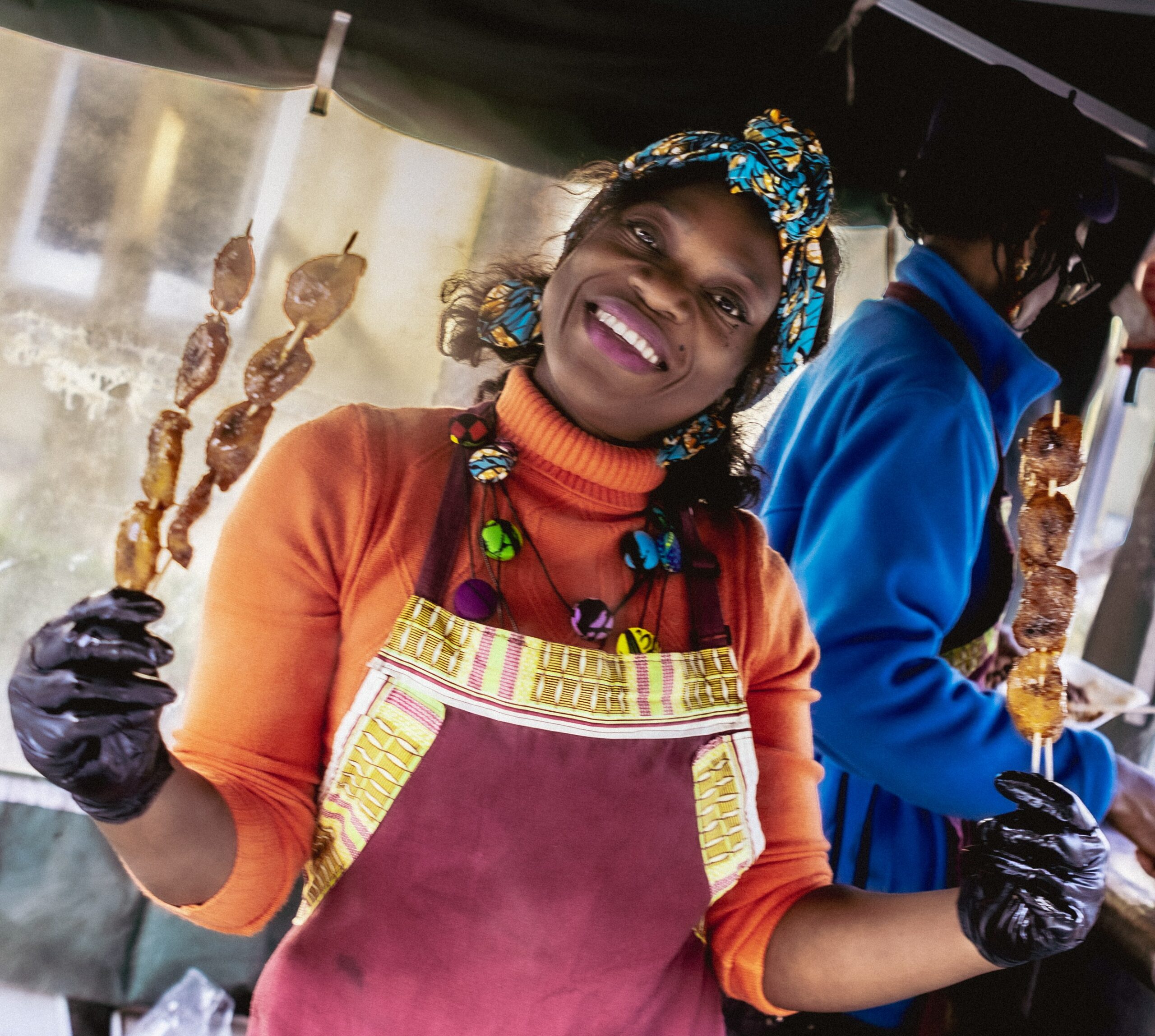
Our Culture Fridays brought African and Caribbean food vendors, music and student activities onto the Precinct, building towards our Culture Festival.
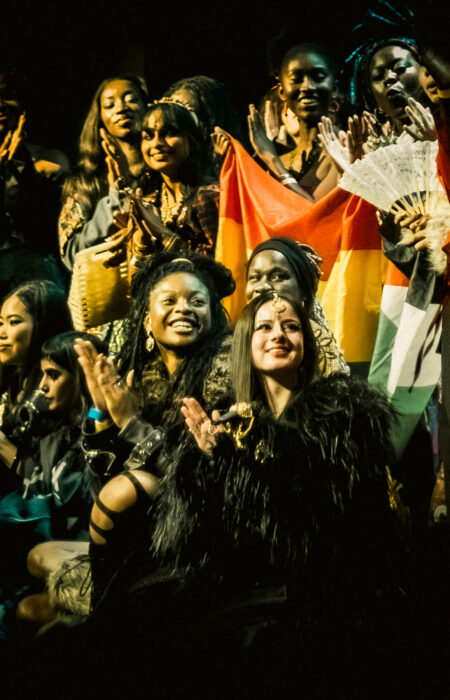
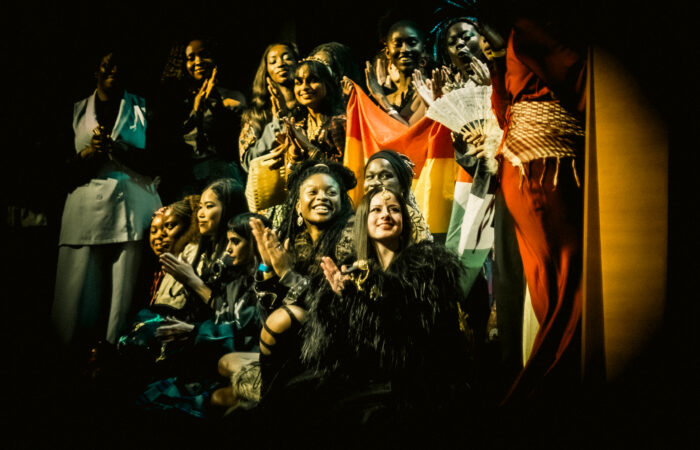
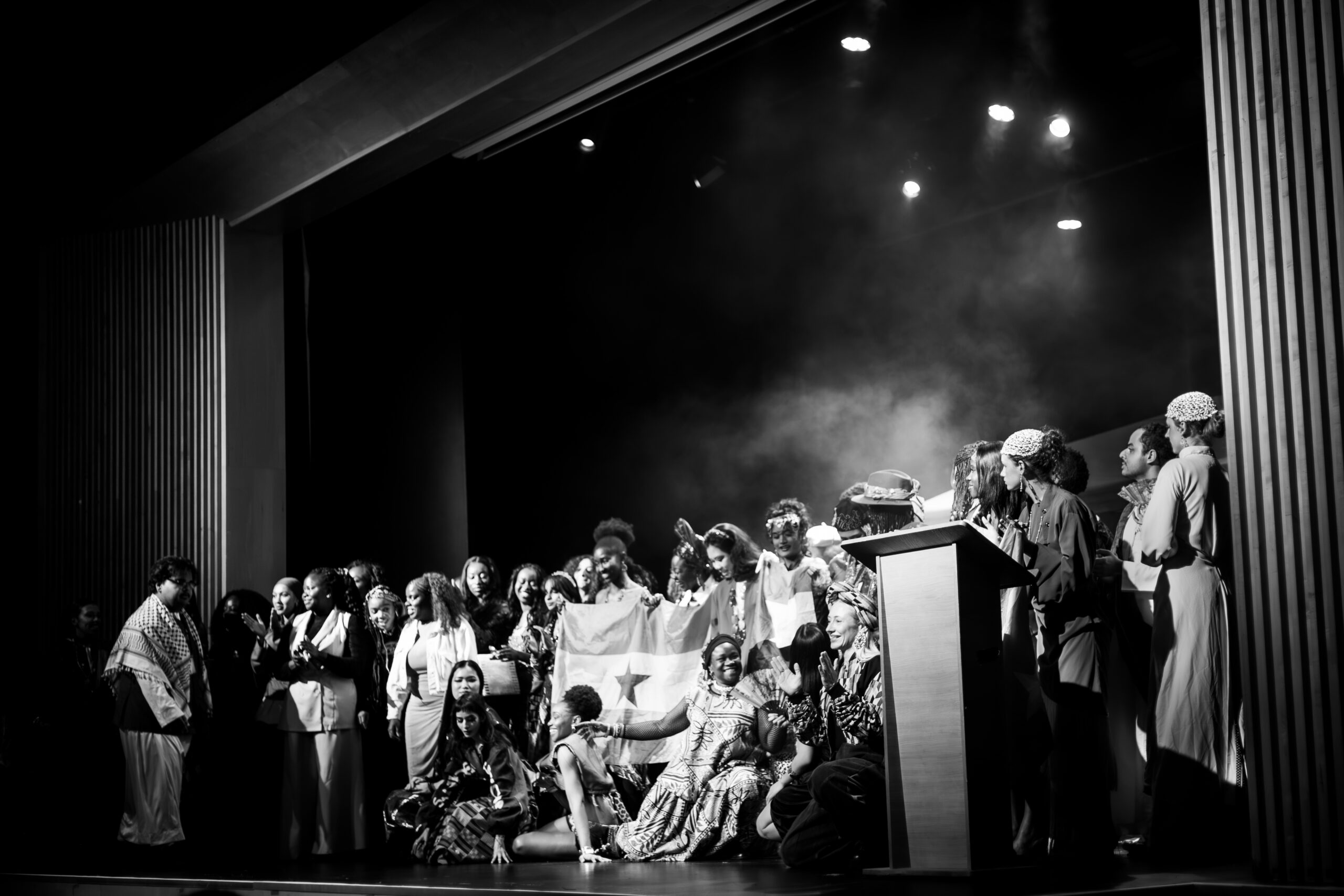
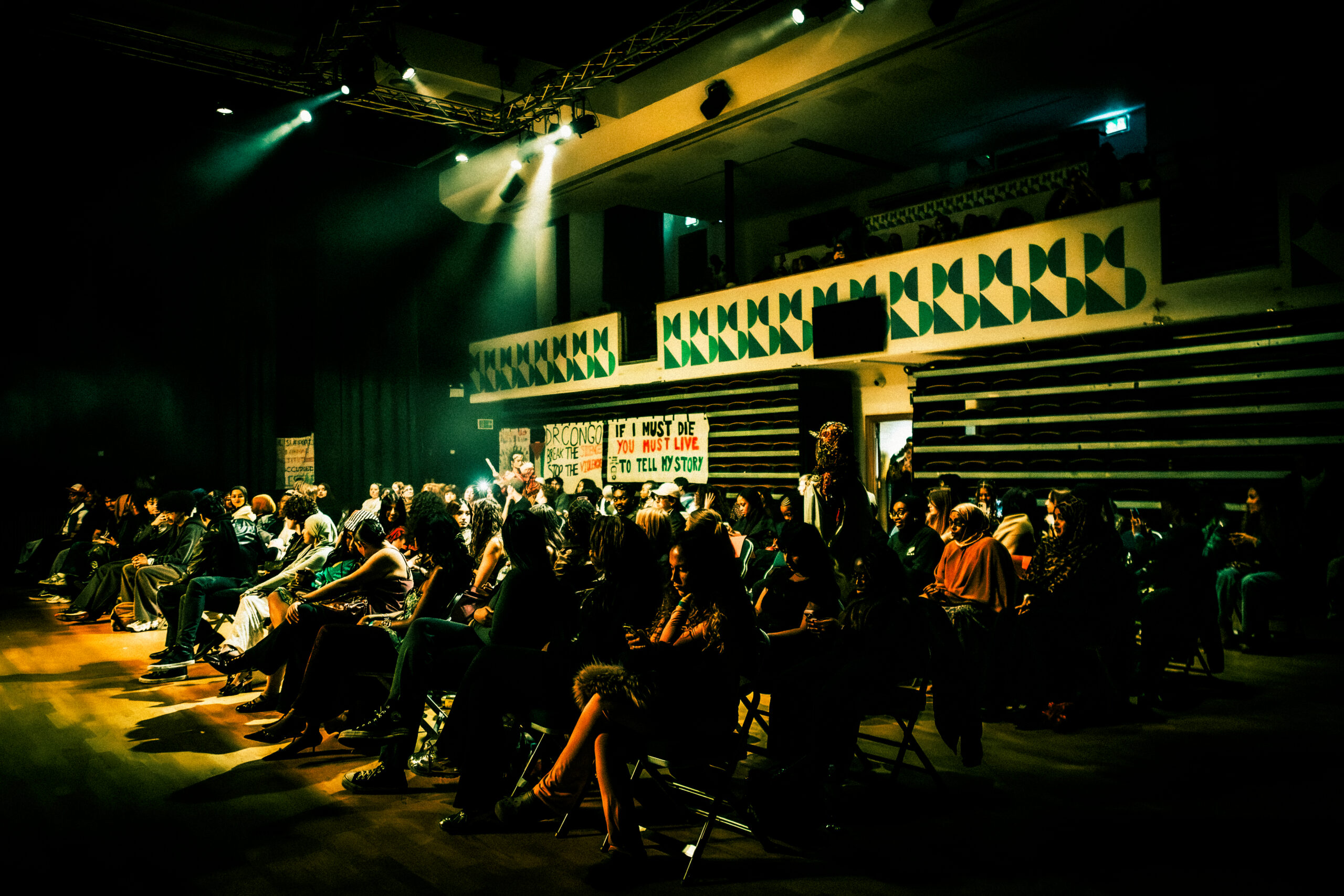
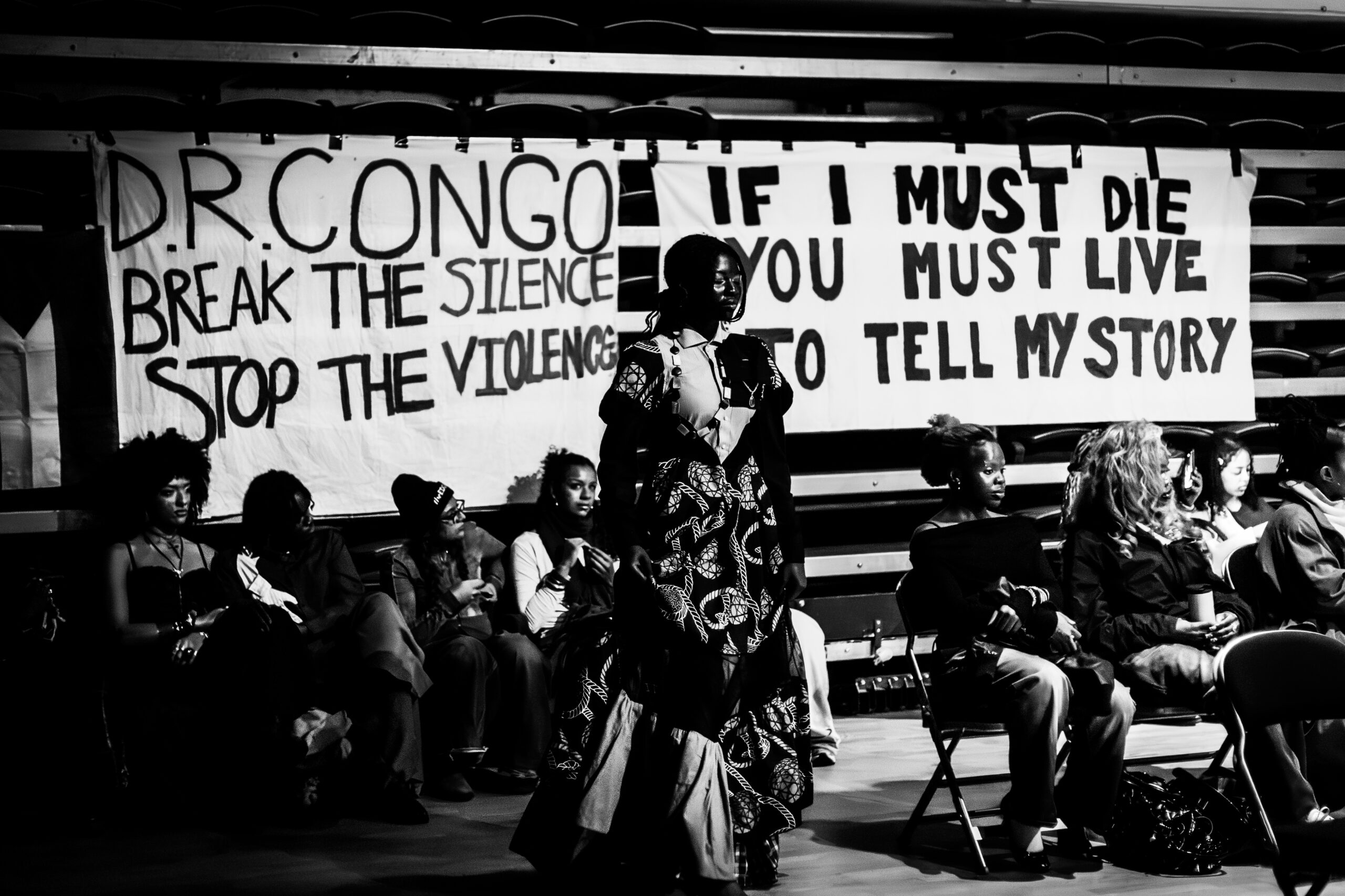
We also hosted screenings of Selma and Do the Right Thing, society-led events and A Day at the Market, a fashion showcase celebrating creativity and cultural expression.
The Futures Conference brought together eight speakers who shared practical advice on navigating career opportunities, positioning yourself for the roles you want and building meaningful professional networks. Students also had the opportunity to connect directly with panellists and one another.
But beyond the events and numbers, what mattered most was how students experienced the month.
Momina Iqbal reflected on how the food trucks made cultural engagement accessible to everyone, describing food as “a universal love language.”
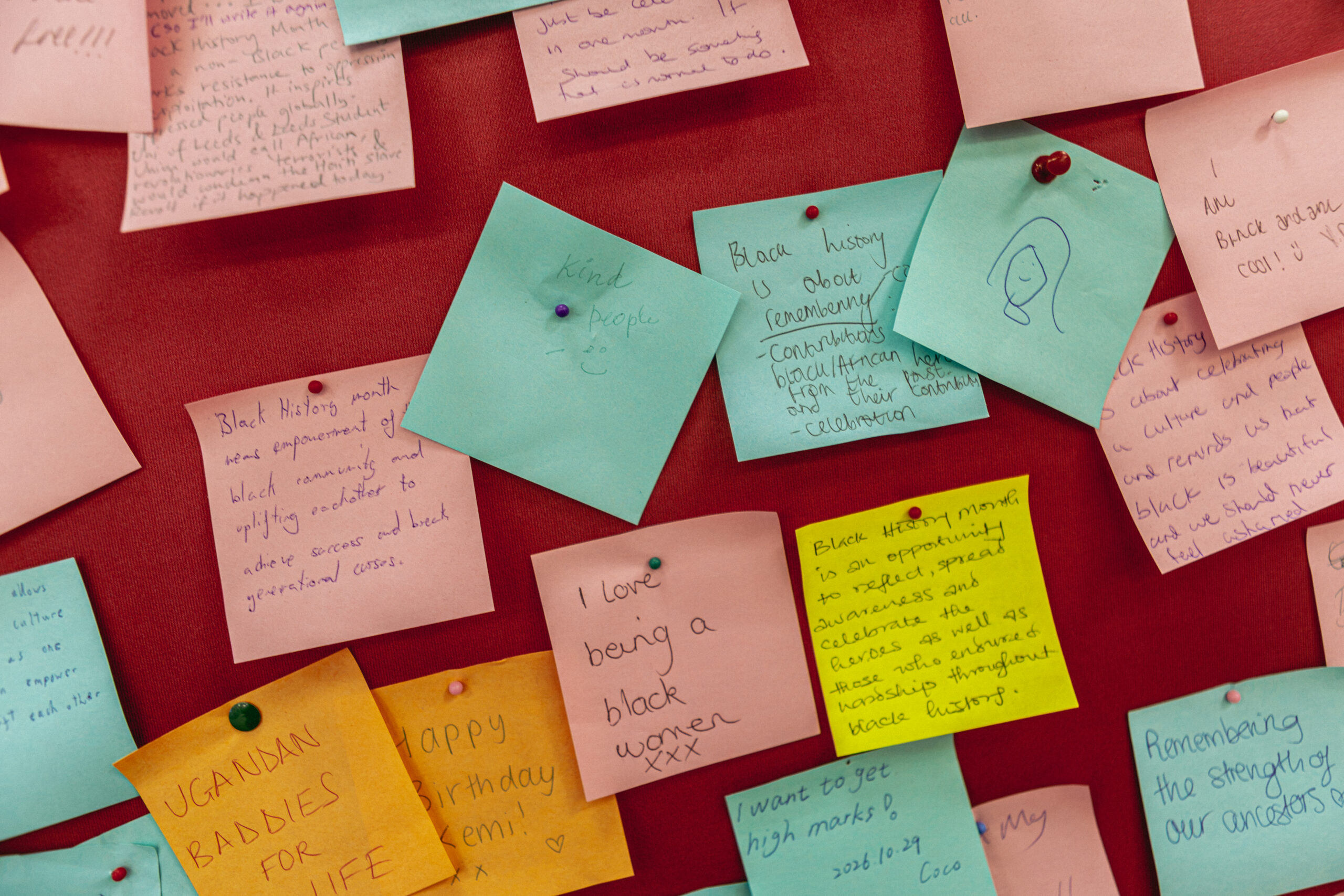
Faith Kankunda Katwakazi shared how the programme, particularly the interactive boards, created opportunities for students to express themselves and feel “seen, represented and appreciated.”
Naeto Uzomba, President of Leeds African Caribbean Society, also highlighted how students appreciated seeing Black culture and history celebrated across campus, with Culture Fridays providing an opportunity to unwind, connect and enjoy the community.
The month also extended beyond celebration, helping raise over £2,333 for humanitarian causes supporting communities in Jamaica, Congo, Sudan and Palestine, with fundraising continuing into November.
None of this would have been possible without the incredible efforts of our student societies, volunteers, performers, vendors, LUU colleagues and University staff who brought the programme to life.