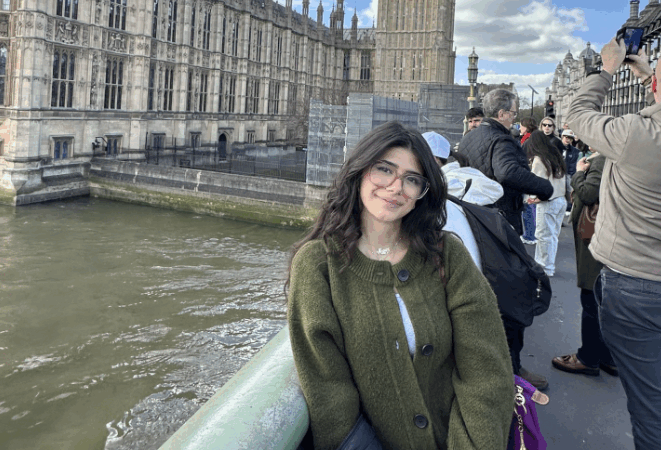
(Second-generation Canadian Lebanese)
Being a second-generation immigrant of Lebanese parents in Canada comes with a quiet, often invisible emotional burden — the feeling of being suspended between two worlds. At home, you’re immersed in a culture rich with warmth, language, food, and unspoken expectations rooted in a country you may have never lived in. You carry your parents’ stories, their sacrifices, and their hopes for your future — all while trying to honor traditions that sometimes feel distant or conflicting with the world outside.
In Canadian society, you’re constantly reminded of your difference. Your name, your appearance, your lunchbox, your holidays — all small signals that you’re not quite like the others. Even when you adapt or succeed, there’s often a subtle message: you’re welcome, but not fully one of us. You’re seen as “Lebanese” in Canada, but when you visit Lebanon, you’re the “Canadian.” You exist in a cultural no-man’s-land, where neither identity fully claims you.
This in-betweenness can lead to a deep sense of not belonging. It can make you question your identity — who you are, who you’re supposed to be, and where you truly fit. There’s often guilt, too: guilt for not speaking Arabic well enough, guilt for not fully understanding your parents’ struggles, guilt for wanting to be something different. At the same time, there’s an ache for connection, for community, for a space where you don’t have to explain yourself — where your mixed identity is understood and embraced, not something to reconcile or hide.
It’s a complex emotional landscape — one shaped by resilience, confusion, pride, and longing. But within that struggle is also the strength of navigating life with multiple lenses, a unique voice that holds both the past and the present, and a quiet courage that comes from never fully belonging yet continuing to build a place for yourself anyway.